
Singapore
Step out of Changi Airport and the first thing that hits you is the wall of equatorial heat, immediately countered by the aggressive chill of hyper-engineered air conditioning.
Guests & rooms
The Singapore guide
An insider’s read on Singapore
SStep out of Changi Airport and the first thing that hits you is the wall of equatorial heat, immediately countered by the aggressive chill of hyper-engineered air conditioning.
Singapore’s modern identity was forged in 1965 when it was unexpectedly expelled from Malaysia. Lacking natural resources, the young nation adopted a philosophy of hyper-efficiency, state-directed capitalism, and strict multiculturalism. Today, the population of Chinese, Malay, Indian, and Eurasian residents lives in highly organized harmony. The character of the city is defined by this tension between rigid order and organic local culture, best observed where gleaming corporate skyscrapers stand steps away from historic shophouses and open-air food markets.

PLATE ISingapore, Singapore

Guides & ideas
The Singapore reading list
Hand-written guides from our editors — itineraries, the best of after dark, where to eat, and what’s genuinely worth your time.
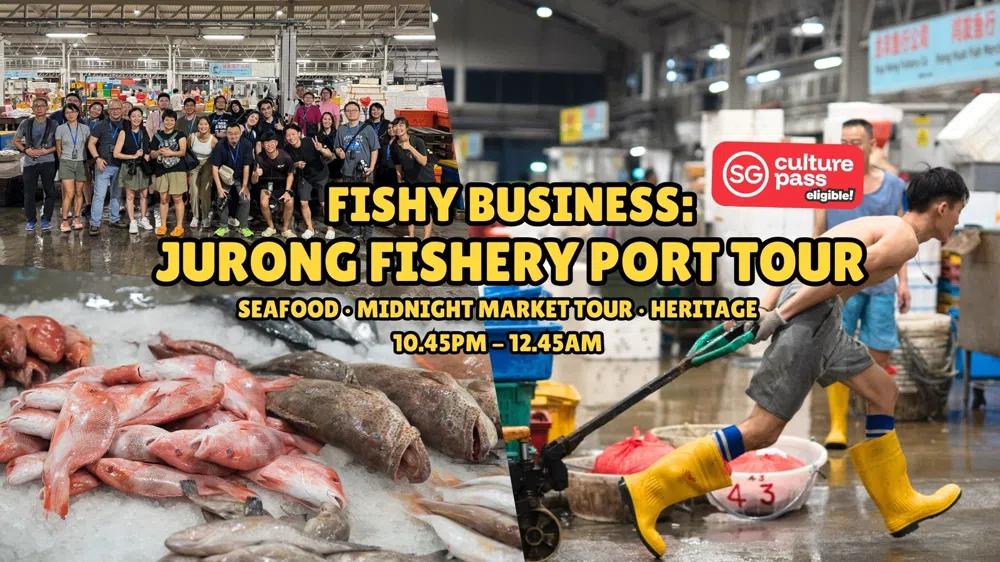
Singapore Wet Markets at Dawn, Before the City Wakes
Before the hawker stalls open, Singapore's food starts at a fish auction in Jurong and a wholesale yard in Pasir Panjang, on its way to the markets in between.
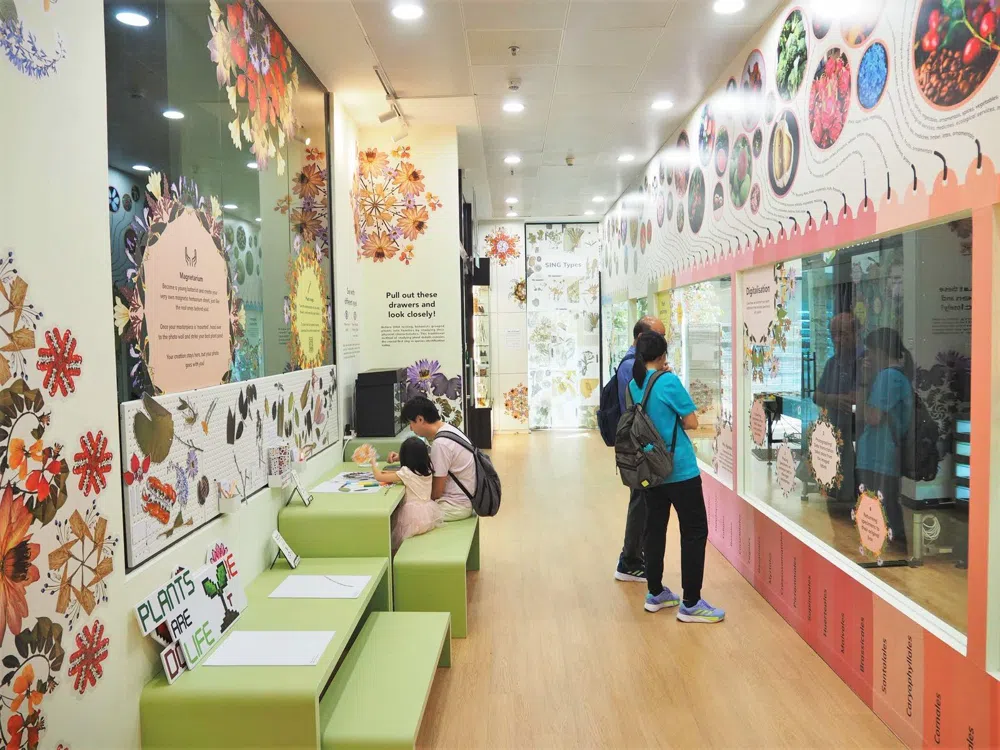
One Hundred and Sixty-Two Years: Singapore's Botanic Gardens and the Rainforest the City Forgot to Build On
How a free garden in Tanglin came to hold a slice of primary rainforest older than Singapore itself — and the best morning in the city built around it.
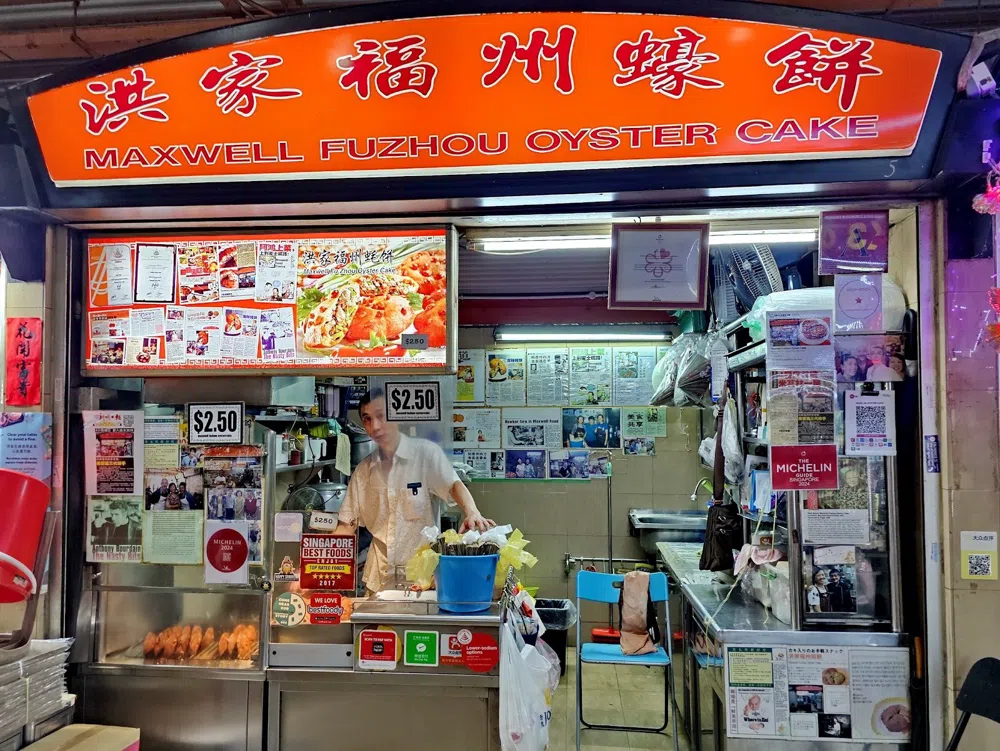
Under the Fluorescent Tube: Singapore's Hawker Centres and the Soul They Keep
A calm, practical walk through fourteen of Singapore's hawker centres — where to start, where locals actually eat, and how to seat a group without a fight over a tissue packet.

Singapore After Dark: Night Safaris, River Cruises, and Light Spectacles
A calm, hour-by-hour route through Singapore's night — from a wildlife park that opens when the museums close to the rooftops built for the 8pm light show and the clubs that run until the MRT restarts.
Where to base yourself
The neighborhoods
01
Marina Bay
For Suits business travelers and first-time visitors who want iconic views. The trade-off is a sterile, highly corporate atmosphere with little historical character.
The postcard face of modern Singapore, dominated by soaring skyscrapers, reclaimed land, and futuristic architecture.
Where to stay — High-end luxury hotels with views of the bay or the Singapore River.
02
Chinatown
For Suits food lovers and heritage seekers. The trade-off is high tourist density along the main pedestrian streets.
A dense mix of restored 19th-century shophouses, traditional tea houses, and historic temples standing alongside trendy cocktail bars.
Where to stay — Boutique shophouse hotels and design-forward capsule hostels.
03
Kampong Gelam
For Suits independent travelers, shoppers, and nightlife seekers. The trade-off is that Haji Lane gets incredibly crowded and noisy on weekend evenings.
The historic Muslim quarter, centered around a majestic golden-domed mosque, featuring textile shops, Middle Eastern restaurants, and narrow lanes filled with street art.
Where to stay — Mid-range boutique hotels and heritage properties.
04
Little India
For Suits budget travelers and those looking for an intense, unpolished local experience. The trade-off is that it can feel overwhelming, especially during Sunday evening crowds.
A sensory assault of spice aromas, Bollywood music, gold jewelry shops, and flower garland vendors.
Where to stay — Budget guesthouses and basic mid-range hotels.
05
Tiong Bahru
For Suits slow travelers and design enthusiasts. The trade-off is that it is slightly removed from the main MRT lines, requiring a short walk or bus ride.
A quiet residential estate built in the 1930s, featuring low-rise Art Deco architecture, independent bookstores, and specialty coffee roasters.
Where to stay — Niche boutique hotels or residential apartment rentals.
06
Orchard Road
For Suits dedicated shoppers and families. The trade-off is that it lacks local cultural character and is entirely commercial.
A two-kilometer boulevard lined with interconnected multi-story shopping malls, department stores, and luxury flagship boutiques.
Where to stay — Large international business hotels and luxury high-rises.
07
Katong & Joo Chiat
For Suits repeat visitors and foodies wanting a neighborhood feel. The trade-off is that it is located in the east, far from the central business district.
The heartland of Peranakan (Straits Chinese) culture, famous for its pastel-colored double-story shophouses, traditional eateries, and indie cafes.
Where to stay — Heritage boutique hotels or mid-range chains.
08
Civic District
For Suits museum lovers and history buffs. The trade-off is that the area becomes very quiet and lacks street life after office hours.
The colonial core of the city, home to grand neoclassical government buildings, manicured lawns, and major museums.
Where to stay — Historic grand hotels and luxury properties.
09
Sentosa
For Suits families and beach lovers. The trade-off is that it is highly artificial, expensive, and isolated from authentic Singaporean life.
A purpose-built resort island featuring man-made sandy beaches, luxury golf courses, beach clubs, and theme parks.
Where to stay — Five-star beachfront resorts and family-oriented hotels.
Book direct
Book a hotel in Singapore
Loading live availability and real-time prices…
Where to eat
Dining
Jumbo Seafood (East Coast Parkway)
€€€East Coast
The quintessential spot to eat chili crab by the sea, offering consistent quality and a classic outdoor dining atmosphere.
Signature — Chili Crab with fried mantou (buns)
Long Beach Seafood Restaurant (Dempsey)
€€€Dempsey Hill
Widely credited as the creator of the black pepper crab, offering a more intense, less sweet alternative to chili crab.
Signature — Black Pepper Crab
Keng Eng Kee (KEK) Seafood
€€Alexandra
A legendary zi char (home-style Chinese) spot favored by international chefs for its high-heat wok cooking.
Signature — Moonlight Hor Fun (stir-fried rice noodles topped with a raw egg)
New Ubin Seafood
€€€Chijmes
Famous for blending traditional Singaporean zi char cooking with Western ingredients like USDA beef.
Signature — USDA Black Angus Ribeye with Heart Attack Fried Rice
Mellben Seafood
€€€Ang Mo Kio
A suburban favorite known for its rich, milky claypot crab broth that locals queue hours for.
Signature — Claypot Crab Bee Hoon
Alliance Seafood
€Newton Food Centre
An accessible hawker stall serving grilled seafood in a lively, open-air food market setting.
Signature — Sambal Stingray served on a banana leaf
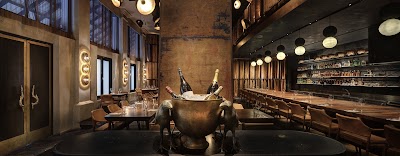
Burnt Ends
€€€€Dempsey Hill
A modern Australian barbecue restaurant featuring a custom four-ton brick kiln where everything is kissed by smoke and flame.
Signature — Sanger Burger (pulled pork shoulder on brioche)
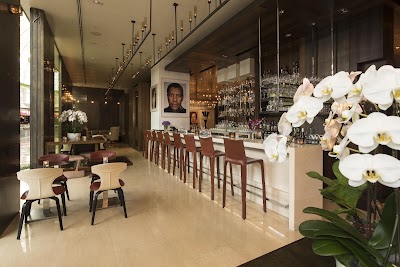
Cut by Wolfgang Puck
€€€€Marina Bay Sands
A sleek, sophisticated steakhouse offering an unparalleled selection of dry-aged and wet-aged beef from the US, Australia, and Japan.
Signature — A5 Wagyu Ribeye from Miyazaki, Japan
Bistecca Tuscan Steakhouse
€€€Mohamed Sultan
Housed in a cozy heritage shophouse, specializing in traditional Florentine-style thick-cut steaks grilled over charcoal.
Signature — Bistecca alla Fiorentina (F1 Wagyu T-bone)
Bedrock Bar & Grill
€€€Somerset
A dark, wood-paneled subterranean tavern known for its woodfire-grilled steaks and extensive whiskey list.
Signature — Tomahawk Steak
The Feather Blade
€€Tanjong Pagar
A casual, budget-friendly steakhouse focusing on alternative cuts of beef served with creative sauces.
Signature — Flat Iron Steak with Sichuan peppercorn sauce
Meadesmoore
€€€Boon Tat Street
An intimate spot that eschews standard cuts in favor of unusual, highly flavorful secondary cuts of beef.
Signature — The Zabuton (Denver cut)
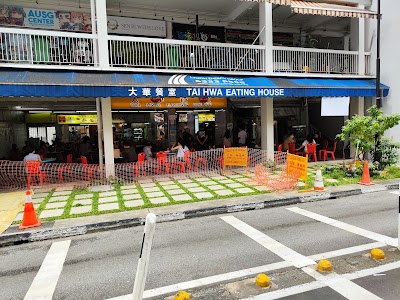
Hill Street Tai Hwa Pork Noodle
€Crawford Lane
One of the few hawker stalls to have earned a Michelin star, serving a legendary bowl of vinegar-laced noodles.
Signature — Bak Chor Mee (minced pork noodles)
Tian Tian Hainanese Chicken Rice
€Maxwell Food Centre
The most famous chicken rice stall in the city, known for its perfectly poached, silky chicken and fragrant rice.
Signature — Hainanese Chicken Rice
328 Katong Laksa
€East Coast Road
Serves a rich, spicy coconut milk broth filled with noodles that are cut short so they can be eaten entirely with a spoon.
Signature — Katong Laksa
Sungei Road Laksa
€Jalan Besar
One of the last places cooking laksa broth over a traditional charcoal burner, yielding a distinct smoky depth.
Signature — Charcoal-cooked Laksa
Zam Zam
€North Bridge Road
A historic Indian-Muslim restaurant operating since 1908, famous for its massive, crispy stuffed flatbreads.
Signature — Mutton Murtabak
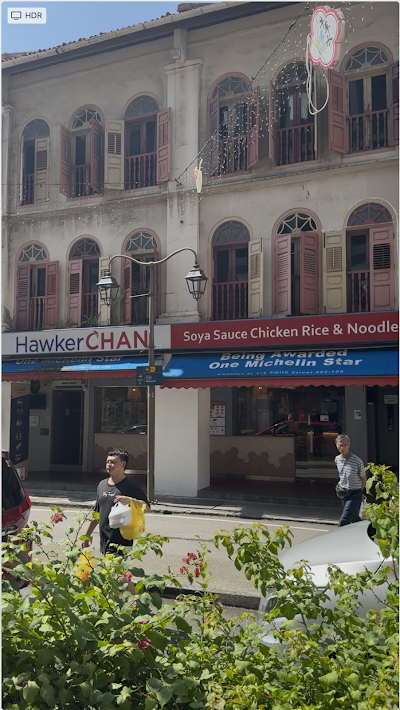
Liao Fan Hawker Chan
€Chinatown Complex
The original stall that made global headlines for serving the world's cheapest Michelin-starred meal.
Signature — Soya Sauce Chicken Rice
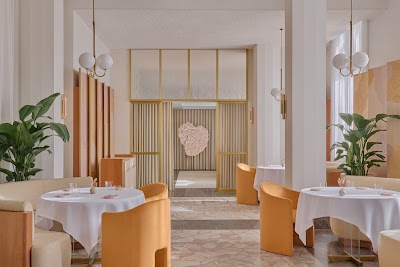
Odette
€€€€Civic District
Located inside the National Gallery, Chef Julien Royer serves modern French cuisine of extraordinary elegance and precision.
Signature — Rosemary Smoked Organic Egg
Zen
€€€€Bukit Pasoh
The Singapore outpost of Stockholm's Frantzén, offering a multi-story dining journey that fuses Nordic techniques with Japanese ingredients.
Signature — Grand Tradition Caviar with beer poached king crab
Labyrinth
€€€€Esplanade
Chef Han Li Guang champions local produce, reinventing traditional Singaporean street food into high-concept fine dining dishes.
Signature — Local Wild Caught Crab with chili crab ice cream
Les Amis
€€€€Orchard Road
A bastion of classic French haute cuisine since 1994, featuring one of the most comprehensive wine cellars in Asia.
Signature — Cold Angel Hair Pasta with caviar and black truffle
Seroja
€€€€Bugis
A fine-dining tribute to the culinary heritage, spices, and ingredients of the Malay Archipelago.
Signature — Slow-cooked Flounder with torch ginger flower
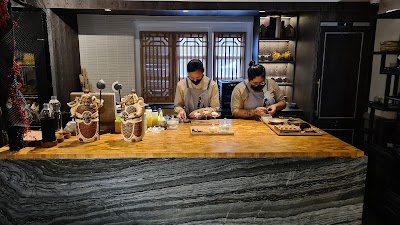
Cloudstreet
€€€€Amoy Street
An intimate counter-dining experience showcasing progressive, highly creative dishes with Sri Lankan influences.
Signature — Grilled Oyster with betel leaf and coconut
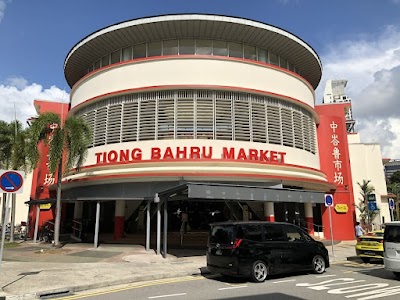
Loo's Hainanese Curry Rice
€Tiong Bahru
Famous for its messy, aromatic curry-drenched rice plates that have been prepared using a traditional three-day process since 1946.
Signature — Crispy Pork Chop with curry gravy
Outram Park Fried Kway Teow
€Hong Lim Food Centre
Consistently draws long lines for its smoky, sweet stir-fried flat rice noodles packed with fresh cockles.
Signature — Char Kway Teow
Ah Ter Teochew Fishball Noodles
€Amoy Street Food Centre
Run by a charismatic multi-generational family, serving springy egg noodles tossed in a savory, spicy lard sauce.
Signature — Dry Fishball Noodles
Haji Kadir Food Chains
€Golden Mile Food Centre
The undisputed pioneer of a local specialty featuring mutton bones stewed in a thick, sweet, spicy red gravy.
Signature — Sup Tulang Merah (mutton bone marrow soup)
Geylang Lor 9 Fresh Frog Porridge
€Geylang
A late-night institution serving tender frog legs cooked in claypots with thick, savory soy-based gravies.
Signature — Claypot Dried Chili Frog with plain porridge
A Noodle Story
€Amoy Street Food Centre
A modern hawker stall serving a unique hybrid of Japanese ramen and local dry wonton noodles.
Signature — Singapore-style Ramen

Whole Earth
€€Tanjong Pagar
Singapore's first and only vegetarian restaurant to receive a Michelin Bib Gourmand, specializing in Peranakan-Thai fusion.
Signature — Penang Rendang (made with shiitake mushrooms)
Ananda Bhavan Restaurant
€Little India
Established in 1924, this is one of the oldest vegetarian restaurants in the city, serving authentic South Indian comfort food.
Signature — Masala Dosa with coconut chutney
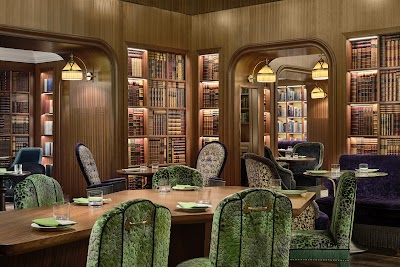
Cultivate Cafe
€€€Maxwell Road
An opulent, library-themed plant-based restaurant located inside the Maxwell Reserve hotel, focusing on organic ingredients.
Signature — Smoked Heirloom Tomato Tart
The Boneless Kitchen
€€Tai Seng
A social enterprise serving creative, fully vegetarian and vegan interpretations of classic Korean dishes.
Signature — Soondubu Jigae (spicy soft tofu stew)
After dark
Nightlife
Zouk
Clarke Quay
The legendary pioneer of Singapore's club scene, operating for over three decades with multiple rooms playing different genres.
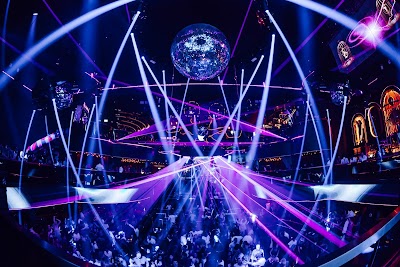
Marquee
Marina Bay Sands
A massive, multi-story indoor adult playground featuring a full-sized three-story Ferris wheel and an indoor slide.
CÉ LA VI Club Lounge
Marina Bay Sands
Perched 57 stories high on the roof of the iconic hotel, offering open-air dancing with panoramic city views.
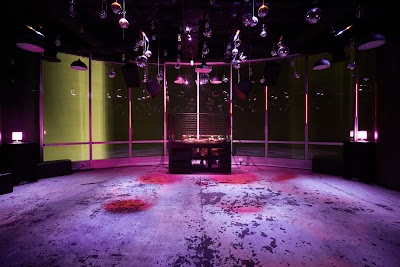
Tuff Club
Robinson Road
A pop-up style underground club located in the Central Business District, catering to serious electronic music fans.
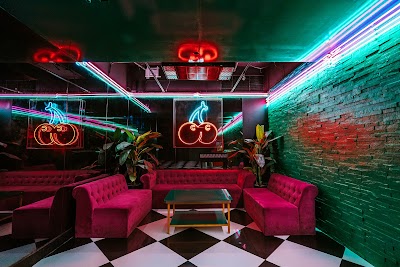
Cherry Discotheque
Cecil Street
A quirky, retro-themed basement club known for its neon lights, arcade games, and nostalgic music selection.
Yang Club
Clarke Quay
Housed within the historic, heritage-listed mansion The Riverhouse, blending old-world architecture with modern sound.
Atlas
Bugis
Housed in a grand Art Deco lobby, featuring a breathtaking 15-meter-tall gin tower housing over 1,000 varieties of gin.
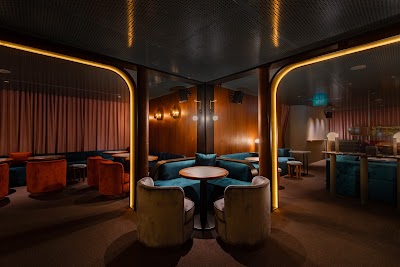
Jigger & Pony
Tanjong Pagar
Consistently celebrated for its exceptional hospitality and perfectly executed, no-nonsense classic cocktails.
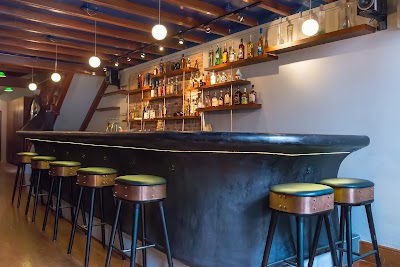
Native
Amoy Street
A pioneer in sustainability, using only regional Southeast Asian spirits and ingredients, including locally foraged herbs.

28 HongKong Street
Clarke Quay
The speakeasy that kickstarted Singapore's craft cocktail revolution, hidden behind an unmarked shophouse door.
Sago House
Chinatown
A cozy, hand-built bar that features a weekly rotating menu of cocktails made from fresh market ingredients.
Simply Jazz by Tin Box
Chijmes
An intimate, acoustically treated venue hosting some of the finest local and international jazz musicians.
Hero's
Circular Road
A lively sports bar in the CBD that features energetic local cover bands playing classic rock and pop hits.
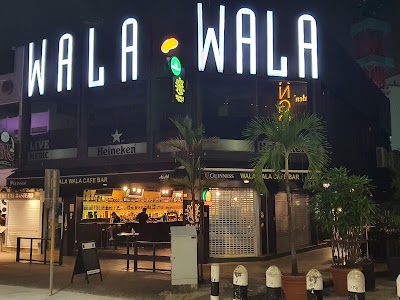
Wala Wala Cafe Bar
Holland Village
A neighborhood institution that has hosted acoustic acts and rock bands on its second floor for decades.
Blu Jaz Cafe
Kampong Gelam
A colorful, multi-story venue on Haji Lane hosting live jazz, funk, soul, and hip-hop acts.
Cuba Libre
Clarke Quay
A long-running Latin bar featuring high-energy live bands playing salsa, bachata, and Latin pop.
Hard Rock Cafe
Cuscaden Road
A reliable staple for classic rock cover bands and touring acts in a spacious, memorabilia-filled venue.
Art & history
Culture
National Museum of Singapore
Civic District
The nation's oldest museum, featuring immersive multimedia galleries that trace the island's journey from a fishing village to a global metropolis.
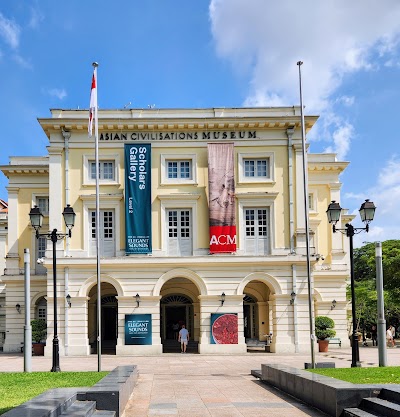
Asian Civilisations Museum
Civic District
Explores the ancestral cultures of Singaporeans, showcasing maritime trade, religious art, and historical connections across Asia.
ArtScience Museum
Marina Bay
An iconic lotus-shaped building hosting major international exhibitions that merge art, science, technology, and culture.
Peranakan Museum
Civic District
Dedicated to the unique culture of the Straits Chinese and Peranakan communities of Southeast Asia.
Changi Chapel and Museum
Changi
A deeply moving tribute to the prisoners of war and civilians interned at Changi during the Japanese Occupation in WWII.
Lee Kong Chian Natural History Museum
Kent Ridge
Houses three massive sauropod dinosaur fossils and showcases the rich biodiversity of Southeast Asia.
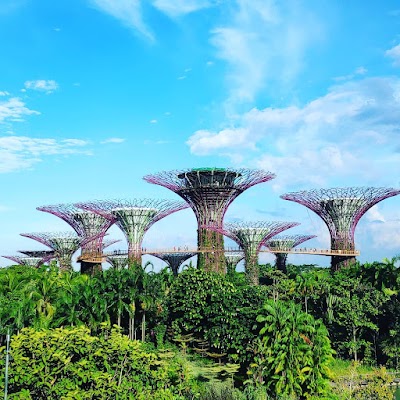
Gardens by the Bay
Marina Bay
Features the iconic Supertree Grove, the massive Flower Dome, and the Cloud Forest, which houses a 35-meter-tall indoor waterfall.
Marina Bay Sands SkyPark
Marina Bay
Offers a dramatic 360-degree view of the city and the busy shipping lanes from a cantilevered observation deck.
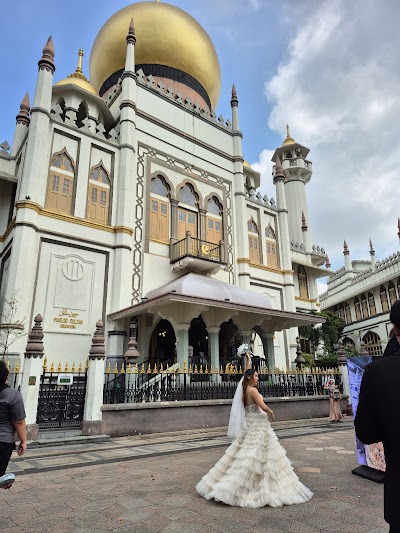
Sultan Mosque
Kampong Gelam
The focal point of the historic Muslim quarter, featuring massive golden domes decorated with glass bottle bases donated by poor devotees.
Thian Hock Keng Temple
Telok Ayer
One of Singapore's oldest Hokkien temples, constructed in 1839 entirely without the use of a single nail.
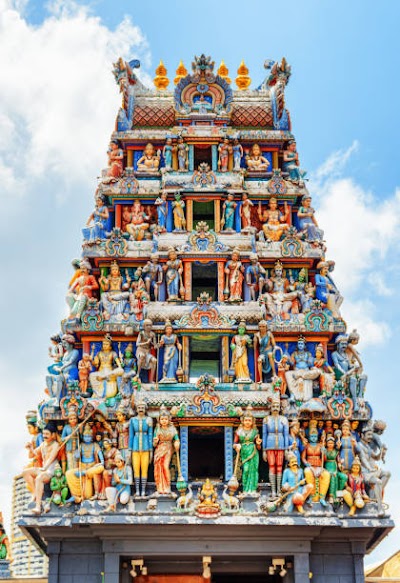
Sri Mariamman Temple
Chinatown
Singapore's oldest Hindu temple, famous for its towering, highly ornate gopuram (entrance tower) covered in colorful sculptures.
The Hive (Nanyang Technological University)
Jurong
A striking contemporary educational building designed by Thomas Heatherwick, resembling stacked dim sum baskets.
National Gallery Singapore
Civic District
Housed in the beautifully restored former City Hall and Supreme Court, it holds the world's largest public collection of modern Southeast Asian art.
Gillman Barracks
Telok Blangah
A contemporary art enclave set within colonial-era military barracks, housing multiple international and local art galleries.
STPI Creative Workshop & Gallery
Robertson Quay
A dynamic gallery and workshop focusing on artistic collaborations in print and paper-based mediums.
Yavuz Gallery
Gillman Barracks
A leading contemporary gallery dedicated to promoting social and political discourse through Asia-Pacific artists.
Mizuma Gallery
Gillman Barracks
Showcases highly technical, conceptually rich contemporary art from Japan and Southeast Asia.
Gajah Gallery
Tanjong Pagar
A premier gallery focusing on Indonesian and Southeast Asian contemporary art, located in an industrial shipping district.
Book ahead
Top-rated experiences in Singapore

Singapore Light to Night Bike Tour
from $60

Private Custom Singapore Walking Tour (4–8 Hrs, Flexible Plan)
from $234

Private Singapore Food Tour: Culture & Local Neighborhoods
from $301

Private Tour: Sightseeing Daytrip to Johor Bahru from Singapore
from $571

Private Singapore Walking Tour: City Highlights & Hidden Gems
from $83

Beyond Michelin: Chinatown Hawker Food Tour with 8 Tastings
from $88

Singapore Food & Bike Tour - Downtown
from $105

Private History & Culture tour (Walking tour)
from $225
Prices from Viator; we may earn a commission when you book — at no extra cost to you. Tours are sold and operated by Viator, the merchant of record. Ratings are collected by Viator and Tripadvisor.
Timing
When to visit
Northeast Monsoon (December to March)
December and January are the wettest, coolest, and windiest months of the year. Afternoon downpours are frequent and heavy, but the cloud cover keeps the heat manageable.
Inter-Monsoon (April to May)
The winds die down, leading to some of the hottest and stickiest days of the year. Thunderstorms are common in the early afternoon.
Southwest Monsoon (June to September)
Slightly drier than the rest of the year, though short showers still occur. This period occasionally experiences regional haze caused by agricultural burning in neighboring territories.
Inter-Monsoon (October to November)
High humidity returns alongside frequent, intense afternoon and early evening thunderstorms.
What it costs
Budgeting
Logistics
Getting around
From the airport
The MRT (Mass Rapid Transit) runs directly from Changi Airport Terminal 2 and 3 to the city center, requiring a quick transfer at Tanah Merah station. Alternatively, taxis and ride-hailing apps like Grab and Gojek are highly efficient, taking around 20 minutes to reach downtown.
Public transit
The MRT is clean, fast, and covers almost every corner of the island. Trains run from early morning until around midnight. It is supplemented by an extensive, air-conditioned bus network.
Passes & tickets
The Singapore Tourist Pass offers unlimited travel on basic bus and train services for one, two, or three days (€-€€). However, visitors can simply tap their contactless Visa or Mastercard credit/debit cards at the gantries for the same fare rate.
On foot
While the pedestrian infrastructure is excellent, with wide sidewalks and underground links, the extreme humidity and sudden tropical downpours make walking long distances challenging. Plan routes through air-conditioned malls and covered walkways.
Travel smart
Safety & etiquette
Local etiquette
- •Do not litter, spit, or chew gum in public; doing so carries heavy fines.
- •It is legally mandated to return your food trays and crockery at hawker centers after eating.
- •Tipping is not customary; a 10% service charge and GST are automatically added to most restaurant bills.
- •Always remove your shoes before entering private homes and places of worship.
From the ground
Practical tips
1
Download Grab or Gojek before arriving for seamless, reliable ride-hailing.
2
Always carry a small packet of tissues to 'chope' tables at hawker centers.
3
Use your contactless credit card directly at MRT gantries to avoid buying paper transit tickets.
4
Pack a light jacket or sweater; while the outdoors are sweltering, indoor air conditioning is freezing.
5
Visit popular hawker stalls outside peak lunch hours (12:00 PM - 1:30 PM) to avoid massive queues.
6
Purchase alcohol at supermarkets before 10:30 PM, as retail sales and public drinking are banned after this time.
Singapore FAQs
Is the tap water safe to drink?
Yes, tap water in Singapore is perfectly safe and meets all World Health Organization standards.
Why is alcohol so expensive?
Singapore levies high 'sin taxes' on alcohol, making beers, wines, and cocktails significantly more expensive than in neighboring countries.
Do I need to carry cash?
While credit cards and mobile payments are accepted almost everywhere, some traditional hawker stalls still only accept cash or local bank transfer apps.
Is chewing gum really illegal?
It is illegal to import or sell chewing gum in Singapore, though personal possession of small amounts is not prosecuted.
How do I order coffee like a local?
Learn the basic terms: 'Kopi' is coffee with condensed milk, 'Kopi-O' is black with sugar, and 'Kopi-C' is with evaporated milk.