By 4am, when most of Singapore is still air-conditioned and asleep, Jurong Fishery Port is already loud: forklifts, ice being shovelled, buyers calling out weights over crates of pomfret and threadfin still slick from the boats. This is the hour the city's food actually starts, not at the hawker stall where you'll eat it at noon, but at the auction floor, the wholesale yard, and the wet market stall where someone has been sorting greens since before your alarm went off. Four hours later the produce has moved through three sets of hands, and the city has no idea.
The Port Where the City's Fish Still Gets Sold by Auction
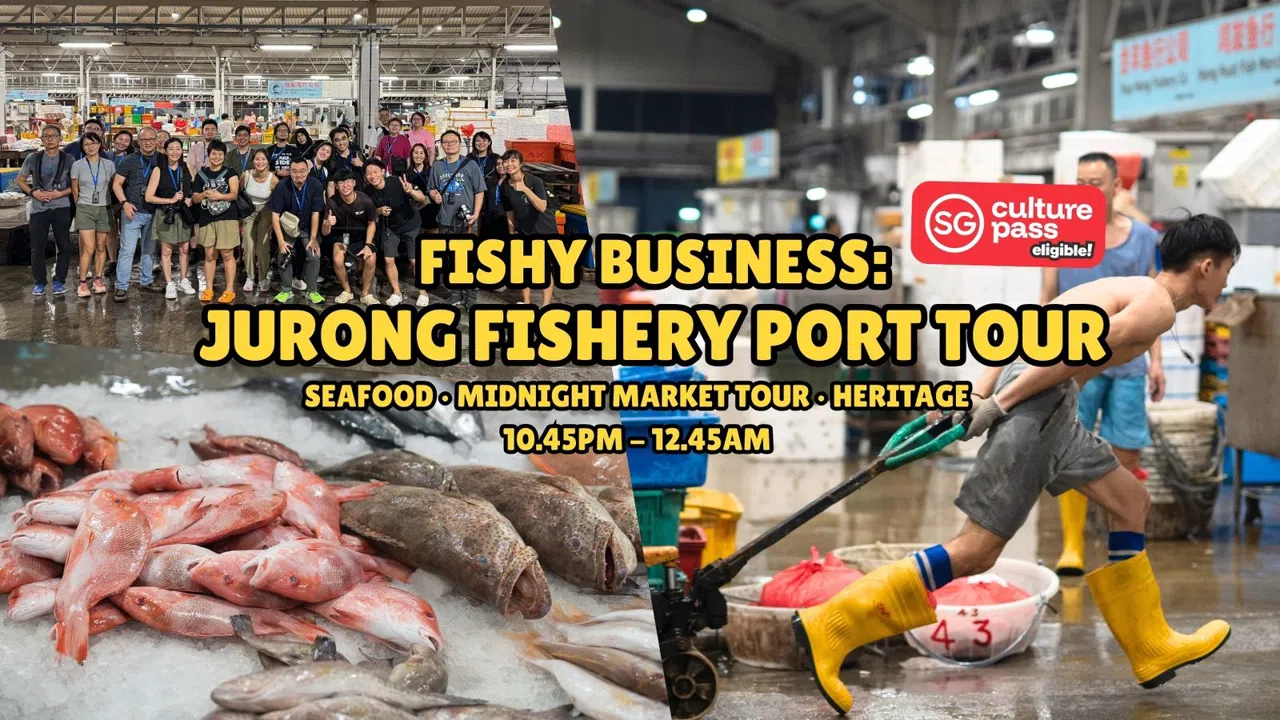
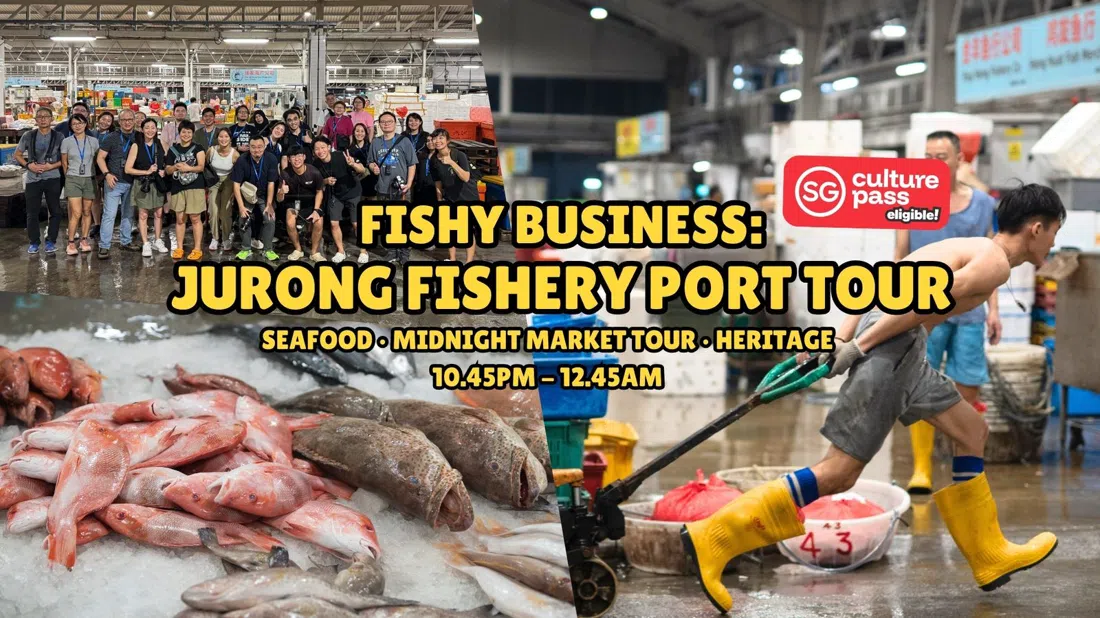
Jurong Fishery Port (Jurong) is what's left of Singapore's real fish trade, and it earns that description by elimination. Since Senoko Fishery Port closed in 2024, every trader who used to work that side of the island now works this one, so what happens here at 4am isn't a recreation of an auction, it's the actual thing. Crates come off the boats still packed in ice, buyers walk the rows deciding what to bid, and the noise is genuinely commercial rather than staged for anyone watching. You can't just wander in (this isn't a public market floor), but Hidden Heritage runs a "Fishy Business" small-group tour that meets at the Port canteen on scheduled pre-dawn dates (21 August and 18 September 2026 among them), priced at S$60 for an adult and S$55 for a child. Book through WhatsApp, and go for the group rate if there are four or more of you: it's built for small parties, not solo drop-ins, so pair up with other early risers if you're travelling alone. This is the one stop in the piece that gives you the auction itself, not just its aftermath, and it's worth setting an alarm for.
The Wholesale Yard Behind Every Stall You'll See Later
Nobody puts Pasir Panjang Wholesale Centre (Pasir Panjang) on a postcard, and that's exactly the point: this sprawling, strip-lit precinct is where more than 40% of Singapore's imported fruit and vegetables changes hands before a single leaf reaches a market stall in town. It runs 24 hours, every day, with no ticket, no booking, no gate. You simply walk in among the trolleys and pallets of durian, dragon fruit, chillies and leafy greens being broken down from container-scale into market-scale lots. Prices here are wholesale, meant for buyers moving crates, not kilos, so don't expect to shop for dinner; go to watch the arithmetic of feeding a city happen in real time. It rewards a guide who can explain what you're looking at, which stalls specialise in which produce, why a particular crate is being fought over, more than a solo wander does, but even alone at 5am it's the clearest picture you'll get of how the whole system feeds itself before the markets in town even switch their lights on.

The Classic Morning Markets, Built to Take a Crowd
Three markets in the city do the job most visitors picture when they hear "wet market," and all three are genuinely comfortable with groups.
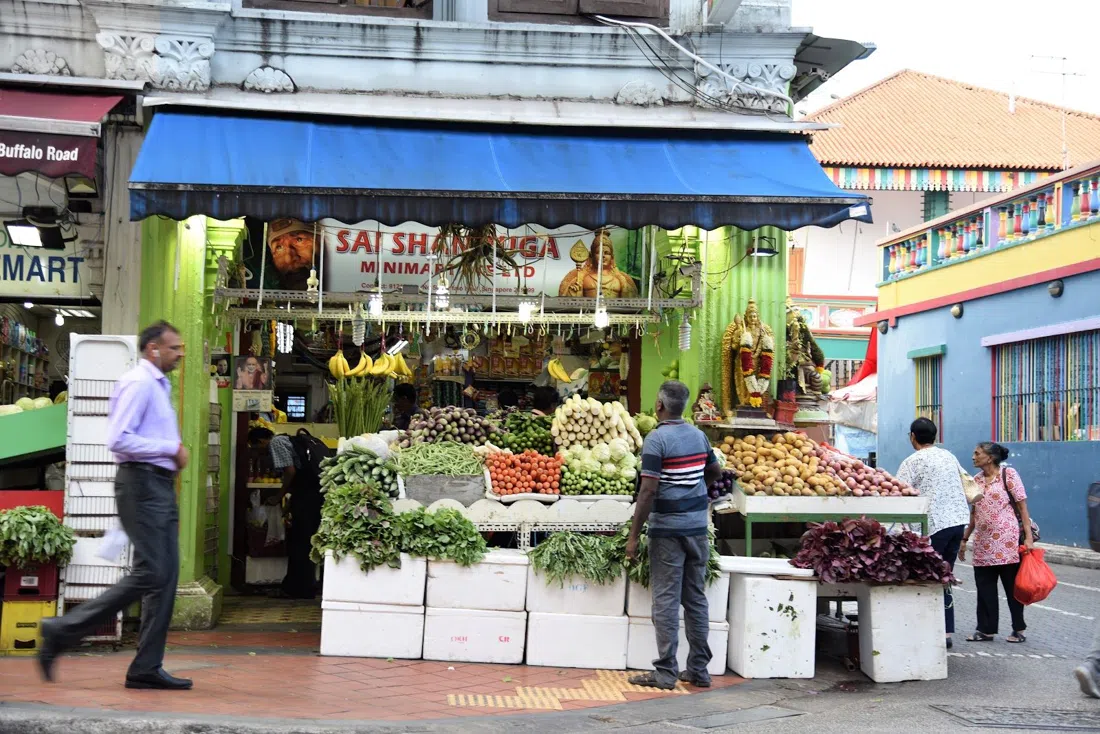
Tekka Centre (Little India) is the one to send a first-timer to. It's Singapore's most visually layered wet market: the produce hall, the wet stalls, the spice sellers and the meat counters all under one roof, feeding directly into a hawker food centre upstairs that can seat a tour group without anyone needing a reservation. Go between 6:30 and 9am; that's the window when the stalls are fullest and the produce is freshest, before the midday heat and the thinning stock. It's free to walk, and nobody minds a camera, but keep the aisles clear. Tekka's busiest hours are also the hours actual shoppers are doing their actual shopping.
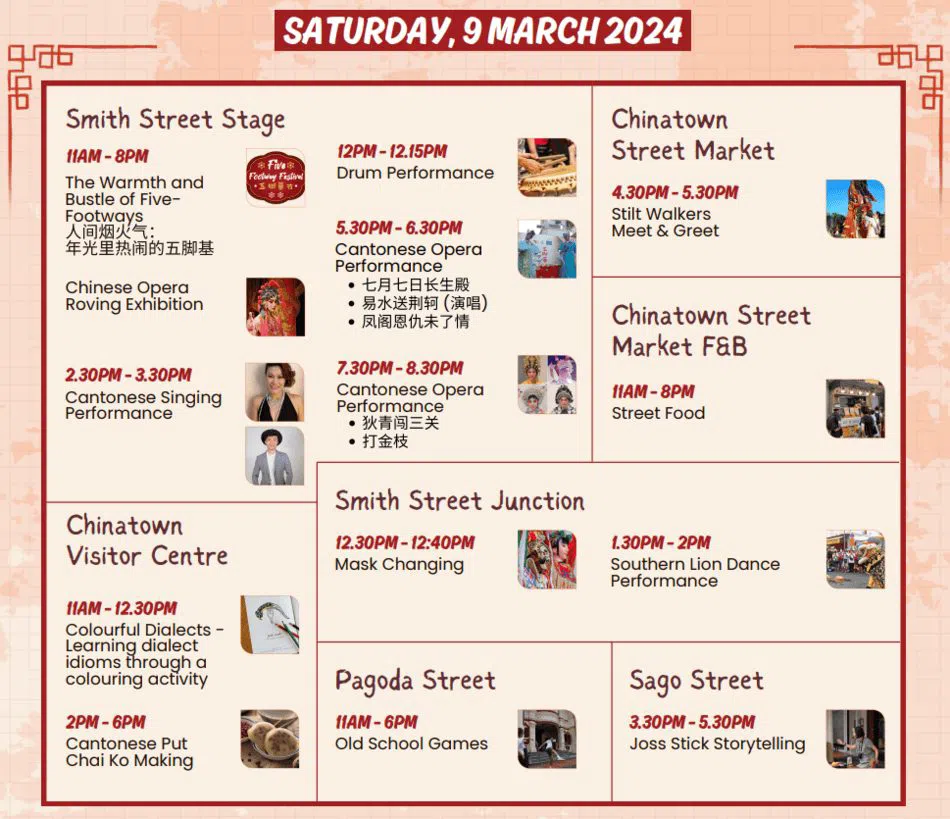
Chinatown Complex Market on Smith Street (Chinatown) is the biggest of the lot: the largest combined hawker-and-wet-market complex in Singapore, with a floor plate that swallows tour groups without anyone noticing they're there. That scale is what makes its pre-dawn restock so dramatic: pallets of produce and ice-packed seafood moving through a building large enough that the stocking never really stops, wave after wave of it before the doors properly open to shoppers. It's a regular stop for tour operators for a reason: nothing here needs booking or apology.
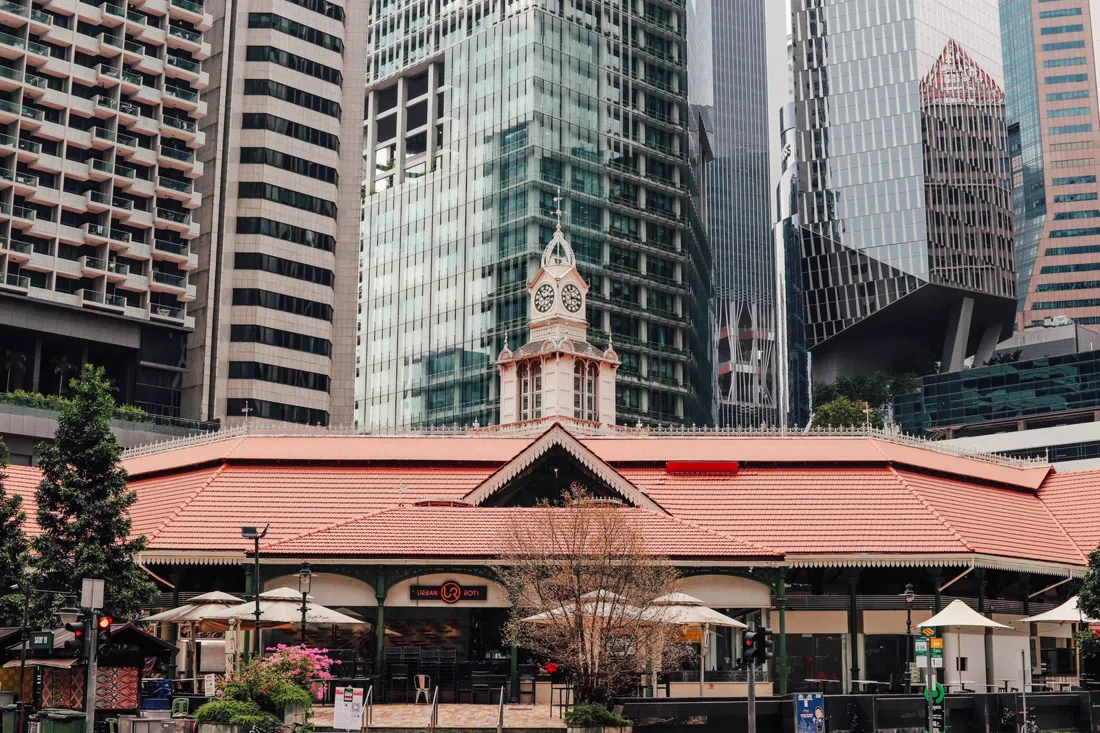
Tiong Bahru Market & Food Centre (Tiong Bahru) is the counterpoint to both: a wet market and food centre set inside one of Singapore's design-heritage estates, with café-lined streets around it that make a genuinely pleasant meeting point for a small group before or after. It's best Wednesday to Sunday, 6am to 2pm; a few stalls close Monday and Tuesday, so don't build a first visit around either of those days. It's smaller and calmer than Chinatown Complex, which makes it the better choice if you're travelling as a couple rather than a tour party.
Read the general lay of the city before you plan the morning around these three; the Singapore guide covers how the districts around them connect.
Heartland Markets That Keep Their Own Hours
Past the markets built for visitors, Singapore's residential estates run their own wet markets on their own schedules, for their own residents, and they're where the "before the city wakes" framing is most literally true.
Geylang Serai Market (Geylang) is the biggest Malay-community market in Singapore, trading since 1964, with a ground-floor wet market open 6:30am to noon and aisles wide enough that groups move through easily. It's the widest lens in this piece on Singapore's food culture: a market whose rhythm, produce and customer base sit outside the Chinese- and Indian-market template that dominates the city-centre stops.

409 AMK Market & Food Centre (Ang Mo Kio) reopened on 7 August 2026 after repairs, and it's worth naming that date because it means what you'll see is a market genuinely back in daily use, not a building still finding its feet. It has no tourist infrastructure to speak of: this is a heartland market serving Ang Mo Kio residents, and it welcomes small groups without making a show of it.
Whampoa Market (Whampoa) is quieter again, known locally less for spectacle than for how tidily its stalls are run, a useful stop if the point you want to make is that an ordinary dawn market can be just as worth watching as a famous one.
Redhill Food Centre (Redhill) reopened after renovation with its adjoining wet market intact, which pairs neatly with its other reputation: this is a hawker centre that shows up in serious food-guide conversations, so the produce you watch arrive here is the same produce that ends up on plates people specifically travel to Redhill to eat.
Beo Crescent Market & Food Centre (Beo Crescent, near Tiong Bahru) is the most deliberately unpolished stop on this list, genuinely local, with no tourist infrastructure at all, and best suited to small groups of two or three who want to see a market that exists purely for the residents around it, not for anyone passing through.
Ghim Moh Market & Food Centre (Ghim Moh) sits close enough to Holland Village to work as a pre- or post-breakfast stop, and aside from a brief spring-cleaning closure earlier in 2026 it's been running normally all year, a good, easy-going note to end a heartland circuit on.
If You Want to Cook What You Watched Get Sold
Watching a market work is one thing; D'Open Kitchen's Market-to-Table Tour & Cooking Class turns the walk into something you actually take home. It's built for small groups (around ten people or fewer), runs Saturday mornings, and registration is at 7:50am sharp, so don't plan on drifting in late. The whole experience runs about four hours and costs roughly S$120 to 150 per person, covering the market walk, the produce you'll cook with, and the class itself. It's the one bookable experience in this piece that turns a dawn market visit from spectating into participating, and it's worth building a Saturday morning around if you want more than photographs to bring home.

Getting There, What to Bring, When to Go
Timing. The real action is 5-9am; after 9am the freshest stock is gone and stallholders are already thinking about the afternoon lull. Jurong Fishery Port's tour runs earlier still; check the scheduled date before you book anything else that morning, since it won't wait for you.
Transport. Taxis or ride-hailing apps are the only sensible way to reach Jurong Fishery Port and Pasir Panjang Wholesale Centre before dawn, public transport won't be running early enough. The neighbourhood markets are all MRT-accessible once trains start (roughly 5:30am on most lines), but a taxi is still the safer bet if you're trying to catch a market at its 6:30am peak.
Cash. Bring small notes. Wet market stallholders deal in cash, in small amounts, and nobody at a produce stall wants to break a S$50 note for a S$3 bunch of kang kong. None of the self-guided markets in this piece charge entry, you're only spending if you buy.
Budget. A self-guided morning through any combination of Tekka, Chinatown Complex, Tiong Bahru or the heartland markets costs nothing beyond transport and whatever you eat. The two bookable experiences bracket the spend: Jurong Fishery Port's tour at S$55-60 a head, D'Open Kitchen's cooking class at S$120-150. Either is a reasonable way to spend a single Singapore morning, and neither requires the rest of your day.
If you're basing the trip around an early start, book somewhere that won't fight you on a 4am wake-up call. Check the Singapore hotel search for something close to the markets you actually plan to hit, rather than the city centre by default.