Singapore guide
Katong & Joo Chiat, Singapore: Peranakan Streets, Laksa, and Late-Night Appetite
Singapore’s eastern heritage quarter is where pastel shophouses, Peranakan craft and the city’s best eating still share the same low-rise streets.
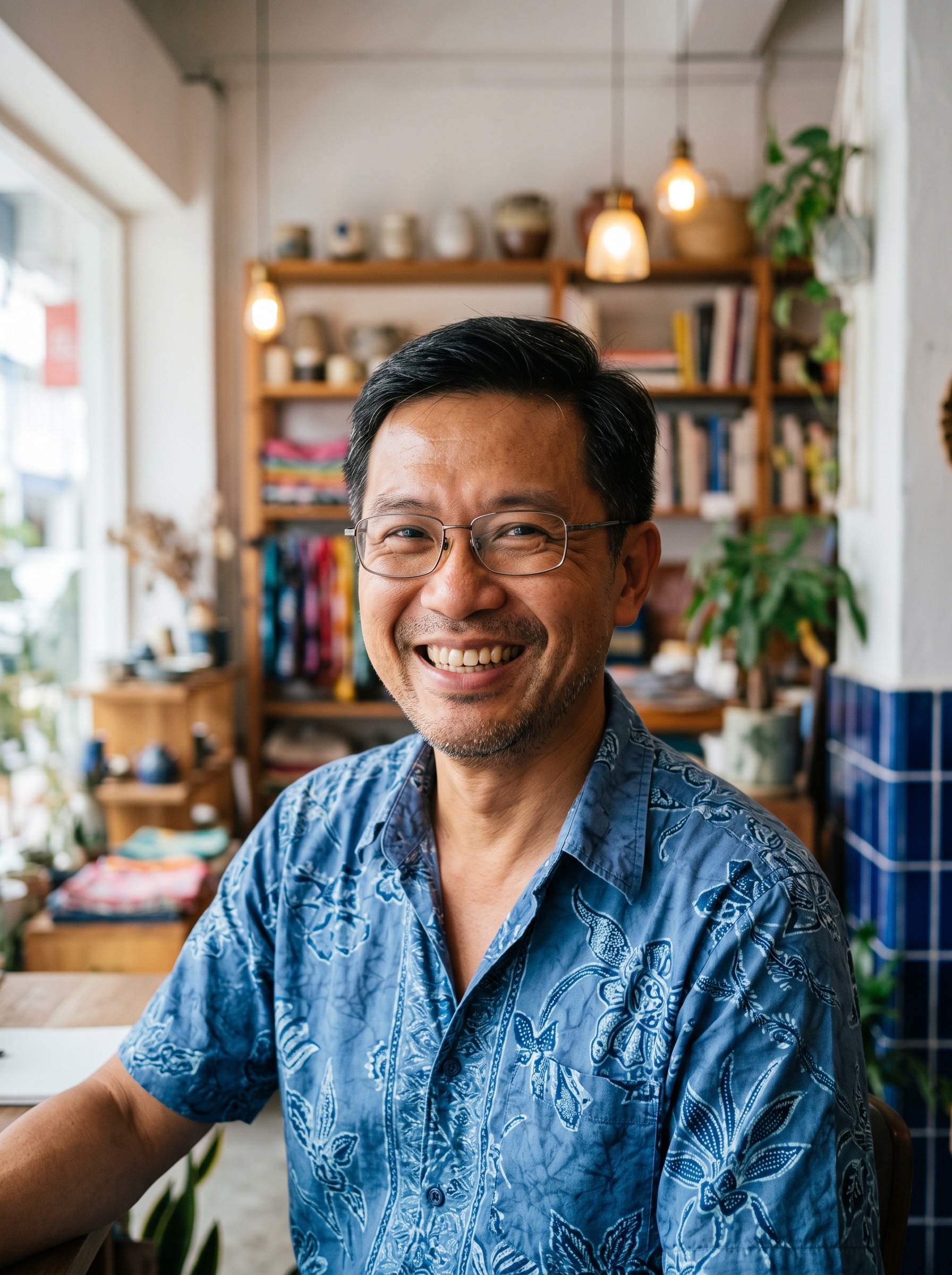 By Desmond Lim

Time Out calling Joo Chiat the 14th coolest street in the world in 2025 felt less like a surprise than a belated memo. Stand on Joo Chiat Road for five minutes and the neighbourhood does the proving for you: a 1930s popiah maker a few doors from a Venetian wine bar, roti prata griddles hissing across from a Gaudí-inspired speakeasy, pastel shophouses that have outlasted the republic itself. This is Singapore’s eastern heritage quarter, where the city’s Peranakan story is not pinned behind glass but still lives in the walls, the kitchens and the five-foot ways. It is low-rise, tiled, faintly sun-faded in the best possible way, and still full of appetite.
What Katong & Joo Chiat is known for
Two things above all: Peranakan heritage and food, and here they are basically the same thing. The neighbourhood is the historic home of the Peranakans — descendants of early Chinese immigrants who intermarried with the Malay world and built a hybrid culture of language, dress and cooking — and its most photographed proof is Koon Seng Road, a short residential street of candy-coloured two-storey terraces from the 1920s and 30s. Look closely and the details start talking: the pintu pagar, those low swinging saloon-style doors; ceramic tiles with phoenixes and floral motifs, often imported from Europe; the covered five-foot way running along the front. It is a real street where people live, so the etiquette is simple — admire, photograph, move on.

The other identity is the plate. This is the birthplace of Katong laksa, that coconut-rich, hae-bee-heavy curry noodle soup eaten with a spoon, the noodles snipped short enough to scoop like rice. It is the sort of dish that tells you a place has a memory. In 2025, Time Out ranked Joo Chiat Road the 14th coolest street in the world, crediting its mix of old-school eateries, hip cafés, lifestyle stores and laidback galleries. You feel that whiplash in a single block: a 1945 rice-dumpling maker beside a natural-wine bar, a 1930s popiah family across from an Italian trattoria. Come for the heritage; stay because the eating is genuinely, stubbornly good.
Where to eat & drink
Start with the classics, because they earned the right to be first. 328 Katong Laksa on East Coast Road is the neighbourhood’s most famous bowl — the stall whose recipe beat Gordon Ramsay at the 2013 Singtel Hawker Heroes cook-off. The laksa comes rich and orange, coconut-curry thick with cockles and prawns, eaten with a spoon and, if you do it properly, with a little sweat on the upper lip. It starts from around S$7.30, cash preferred, which is about right for a bowl with this much local swagger.

For proper sit-down Nyonya cooking, Guan Hoe Soon at 200 Joo Chiat Road is the old guard, billing itself as Singapore’s oldest Peranakan restaurant, open since 1953 and still family-run. Order the ayam buah keluak and let the deep, earthy black nut do its thing; it is one of those dishes that tastes like a family archive. If you want the same repertoire with a slightly different mood, Chilli Padi Nonya Restaurant on Joo Chiat Place is the reliable second stop, with ayam buah keluak and assam fish head on the menu.
Heritage snacking runs deep here. Kim Choo Kueh Chang at 60 Joo Chiat Place has been making Nyonya rice dumplings and kueh since 1945, and the little upstairs museum makes the stop more than a takeaway mission. You can come for the dumplings and stay for the quiet lesson in how much of this district’s culture has always been edible. Then there is Mr and Mrs Mohgan’s Super Crispy Roti Prata on Joo Chiat Road, worth the morning queue for prata that lands crisp and buttery enough to justify the wait.
The new wave is what gave the street its Time Out badge, and it is not pretending to be heritage cosplay. Casa Cicheti at 128 Tembeling Road, the Cicheti group’s second outpost in Forma’s old space, does handmade pasta and Neo-Romana pizza with the confidence of people who know the neighbourhood will forgive nothing if the food is lazy. Carlitos on Joo Chiat Road is a warm Spanish tapas bar from Esquina chef Carlos Montobbio, with more than 30 tapas from around S$8. Joo Chiat Oyster House at 328 Joo Chiat Road pours cocktails alongside Japanese oysters flown in weekly, while Long Phung at 159 Joo Chiat Road is the local pick for pho, banh xeo and spring rolls. For a modern-Singaporean, all-day room, Baba Chews sits inside the conserved former Joo Chiat Police Station from 1928 at Katong Square. And to finish on something botanical and bright, Birds of Paradise in the Red House on East Coast Road does Michelin-listed gelato in sea-salt hojicha, white chrysanthemum and strawberry basil, all in thyme-scented cones.

Going out
Nights here are low-key and drink-led rather than club-led. That is the whole point. The signature after-dark move is Gaudí Room, a 23-seat speakeasy tucked behind Carlitos on Joo Chiat Road, themed on the Catalan architect with mosaic tables, curved walls and butterfly-lattice woodwork. The drinks are as playful as the room: the tequila-gin-Aperol La Sagrada Paloma is around S$22, and the Gaudoni Negroni keeps the theme going without becoming a gimmick. It is chio in the right way — detailed, a bit theatrical, but still grounded in the neighbourhood’s easy rhythm.

Down the strip, Joo Chiat Oyster House flips from oyster counter to buzzy late bar as the evening goes on, which suits a road that never really switches itself off. Alibabar The Hawker Bar on East Coast Road is another local favourite, pairing craft beer with hawker-style bar bites. Beyond that, the mood is casual: kopitiams and coffee shops keep pouring Tiger and kopi late into the night, and the whole district feels designed for one more drink rather than a grand sortie. If you want a proper big night out, Clarke Quay or the CBD bar scene is only about 15 minutes away by taxi. Plenty of people stay here specifically because they’d rather end the night on a quiet tiled street than in a nightclub queue.
Things to do
The neighbourhood is best walked, and the walk is the attraction. Begin at Koon Seng Road for the pastel Peranakan terraces — the city’s most photographed shophouse row — then loop the surrounding streets for the pintu pagar, tiled facades and covered five-foot ways. Move slowly, because the pleasure is in the details. A few streets away on Ceylon Road is Sri Senpaga Vinayagar Temple, one of Singapore’s oldest Hindu temples, tracing its roots to the 1850s and rebuilt in Dravidian style with a 21-metre Raja Gopuram tower and a musical pillar said to be the first of its kind in Southeast Asia. It was gazetted a national Historic Site in 2003.

For the culture behind the food, book ahead for The Intan at 69 Joo Chiat Terrace, collector Alvin Yapp’s private Peranakan home-museum. More than 5,000 objects — porcelain, beaded slippers, embroidered textiles — are shown by appointment, and Yapp himself tells the stories, which is half the charm. Katong Antique House at 208 East Coast Road is a smaller family collection of Peranakan artefacts and antiques, while Rumah Bebe at 113 East Coast Road, a restored 1928 shophouse, sells kebayas and kasut manek and runs beading workshops for people who want to understand the craft rather than just buy the souvenir.
When you’ve had your fill of tiles and terraces, East Coast Park is a short hop south — palm-lined, open to the sea, and useful when the body wants a change of texture from shophouse to promenade. Cycle, walk, or book a table at one of the seafood restaurants for chilli crab by the water. It is a neat reminder that Katong and Joo Chiat have always been about movement: from coast to reclamation, from family enclave to dining district, from old craft to new crowd.
{{ATTRACTIONS}}
Shopping
Shopping here is heritage crafts and independent finds, not malls — though there are a couple of those too. The heritage lane is East Coast Road, where the meaningful purchases live. Rumah Bebe for kebayas and beaded kasut manek. Kim Choo Kueh Chang for Nyonya rice dumplings and kueh to take away, and yes, it doubles as a visitor centre for the precinct. Katong Antique House for Peranakan furniture and porcelain. These are the souvenirs worth carrying home — beadwork, tiles, tingkat tiffin carriers, dumplings vacuum-packed for the flight. Not the kind of things you impulse-buy and forget in a hotel drawer.
Joo Chiat Road is where the newer indie retail sits, the lifestyle stores and galleries Time Out singled out — vintage shops, record stores, homeware and slow-fashion boutiques threaded between the eateries. It rewards a slow drift rather than a shopping list. The whole road feels like an argument for browsing with no agenda, which is a very Singapore thing if you know where to look.
For the ordinary, air-conditioned kind of shopping, the malls anchor the western edge: Parkway Parade and i12 Katong by the Marine Parade MRT, and Katong Shopping Centre for old-school stalls and a famous chicken-rice basement. A useful local tip, and one worth filing away if the humidity turns feral: cut through Roxy Square or Parkway Parade to reach Joo Chiat in air-conditioned comfort when the tropical heat gets serious.
Where to stay in Katong & Joo Chiat
This is a base for travellers who prioritise food, character and a genuinely local feel over being on top of the big sights. You trade Marina Bay proximity — about a 15-minute drive — for waking up among shophouses and hawker stalls, which is a fair bargain if your idea of a good day begins with kopi and ends with laksa.
The two standout hotels lean into the heritage. Hotel Indigo Singapore Katong occupies the historic former Joo Chiat Police Station on East Coast Road, pairing conserved architecture and local art with a rooftop infinity pool overlooking the district; Baba Chews is its ground-floor restaurant. Village Hotel Katong is the more mid-range option, with Peranakan-themed rooms and a rooftop pool built around the same heritage story, and it sits a short walk from the eating. Beyond those, boutique shophouse stays and serviced apartments dot the side streets for a more residential feel.
Pick your street with the noise in mind. The eastern, temple-and-terrace end around Koon Seng and Ceylon Roads is quiet, while a room on the Joo Chiat Road bar strip can run late. Both marquee hotels put you within a short walk of Marine Parade MRT and its direct line to the centre.
{{HOTELS}}
Getting around
The neighbourhood is flat, low-rise and made for walking, but it is spread out — East Coast Road, Joo Chiat Road and the temple streets add up to a fair bit of ground, so wear light shoes and duck into a mall or five-foot way when the heat spikes. The game-changer is the Thomson–East Coast Line, which opened its Marine Parade stretch in June 2024. Marine Parade MRT sits right by Parkway Parade and i12 Katong at the western end of Joo Chiat Road, and neighbouring Tanjong Katong and Marine Terrace cover the flanks. From Marine Parade you get a direct ride to Orchard, the CBD and Marina Bay without changing lines.
Before the TEL, this was one of the more MRT-remote parts of central Singapore, reached by bus from Eunos or Paya Lebar or by taxi; those buses still run and remain handy for the temple and residential streets. Taxis and Grab are cheap and quick for door-to-door — reckon on about 15 minutes to the CBD or Clarke Quay and roughly 15–20 minutes to Changi Airport, which is genuinely close on this eastern side of the island.
If you are doing the neighbourhood properly, don’t overthink the logistics. Walk the heritage blocks, eat your way down Joo Chiat Road, and let the transport be the easy part. That is the Katong and Joo Chiat trick: it looks like a museum district from a distance, but on the ground it is a working neighbourhood with a very strong opinion about lunch.
FAQs
Is Katong & Joo Chiat a good area to stay in Singapore?
Yes — especially if you’re here to eat, wander shophouse streets and get a more local feel. It’s less ideal if you want to be right beside Marina Bay or the main tourist cluster. The Thomson–East Coast Line now makes it much easier to base here, with Marine Parade MRT direct to Orchard and Marina Bay.
What is Katong laksa and where should I try it?
Katong laksa is a coconut-rich curry noodle soup with cockles and prawns, served with the noodles cut short so you can eat it with a spoon. The best-known bowl is at 328 Katong Laksa on East Coast Road, the stall famous for beating Gordon Ramsay in a 2013 hawker cook-off.
How do I get to Katong & Joo Chiat from the city?
It’s about six kilometres east of Singapore’s centre. By taxi or Grab, expect roughly 15 minutes to the CBD and about 15–20 minutes to Changi Airport. The Thomson–East Coast Line now serves the area directly via Marine Parade, Tanjong Katong and Marine Terrace stations.
What should I see besides eating?
Walk Koon Seng Road for the pastel Peranakan terraces, visit Sri Senpaga Vinayagar Temple on Ceylon Road, and book ahead for The Intan or Rumah Bebe if you want the culture behind the food. East Coast Park is the easy outdoor add-on if you want sea air after the shophouse streets.